

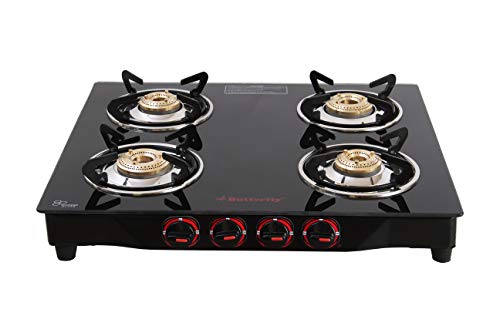
The Evolution of Kitchen Appliances
Kitchen appliances have evolved from traditional stoves to advanced gas and induction systems, reflecting growing innovation, efficiency, and environmental awareness in modern homes.
Understanding Butterfly-Friendly Gas Stoves
Butterfly-friendly gas stoves are designed to reduce environmental harm, especially to pollinators, by minimizing emissions and supporting sustainable living practices.
Environmental Impact of Traditional Gas Stoves
Conventional gas stoves release pollutants such as carbon monoxide and nitrogen dioxide, contributing to air pollution and posing risks to fragile ecosystems.




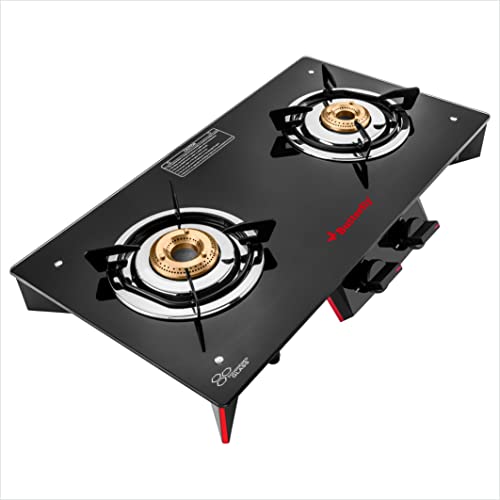


Protecting Butterfly Habitats
Butterflies are sensitive to environmental pollution. Cleaner cooking technologies help protect pollinator habitats and support biodiversity conservation.
Advanced Burner and Clean Combustion Technology
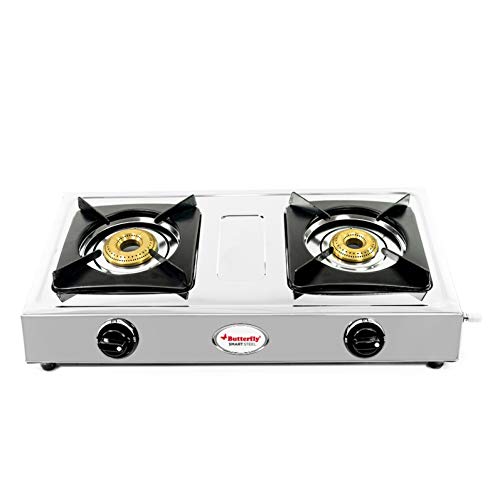
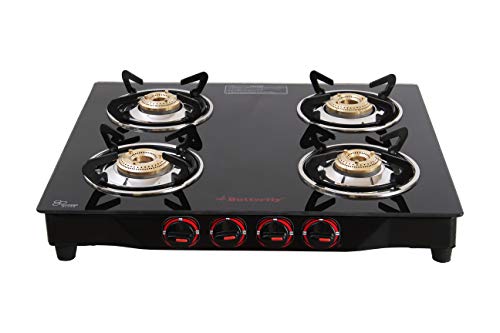
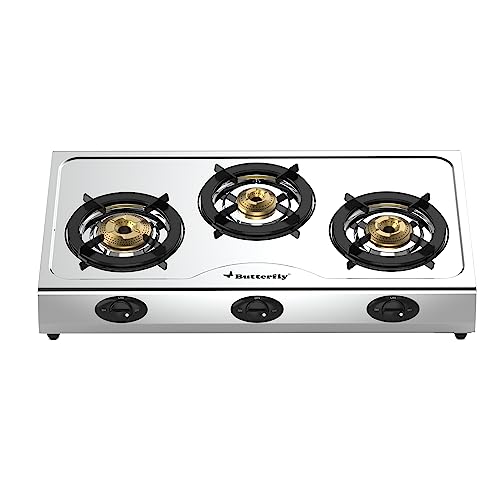
Butterfly-friendly gas stoves use advanced burners that ensure cleaner combustion, reducing harmful emissions and improving overall energy efficiency.
Use of Eco-Friendly Fuel Sources
These stoves often rely on cleaner and more sustainable fuel options, helping lower the carbon footprint of everyday cooking activities.
Energy Efficiency and Cost Benefits
Improved heat distribution reduces fuel consumption, resulting in long-term cost savings while promoting responsible energy use.
Improved Indoor Air Quality
Cleaner-burning gas stoves enhance indoor air quality, creating a healthier cooking environment and reducing respiratory health risks.
Contribution to Sustainability and Biodiversity
By lowering emissions and supporting eco-conscious choices, butterfly-friendly gas stoves play a role in preserving biodiversity and promoting sustainability.
Embracing a Greener Kitchen Future
Choosing butterfly-friendly gas stoves reflects individual responsibility and commitment toward environmental protection and a sustainable lifestyle.